Screens haven’t been the problem for years. Attention has.
In events, offices, and brand spaces, screens are everywhere—yet most of them are ignored. Looping promos, static announcements, and overdesigned slides fade into the background within seconds. People have trained themselves to tune them out.
What stops people is seeing something real?
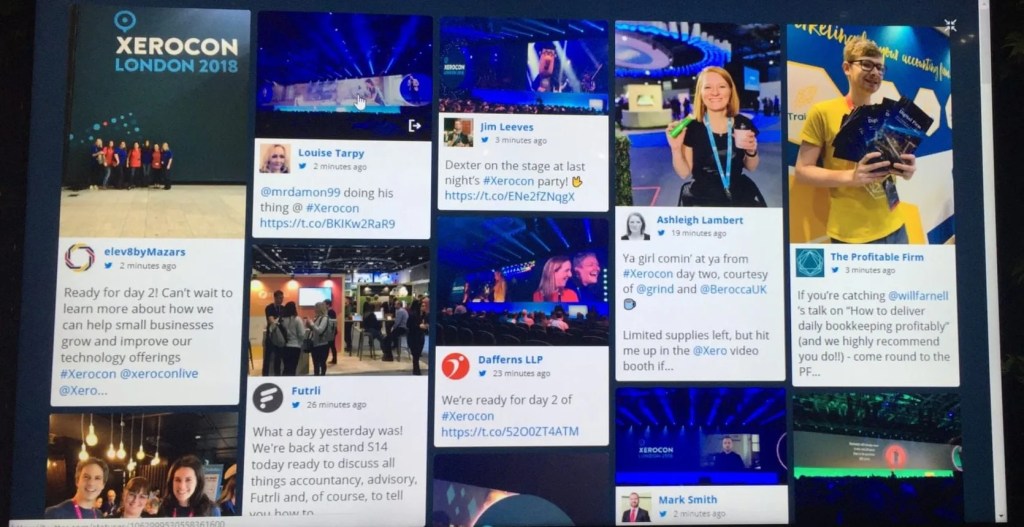
That’s exactly why social media wall ideas have become such a powerful engagement layer. When a screen shows real posts, real photos, real names, and real reactions, people pause. They look. And very often, they participate.
I’ve seen audiences walk past high-budget video screens without blinking, then gather around a simple social wall just because they recognized a face or a hashtag. That reaction is the difference between broadcasting content and creating involvement.
What Is a Social Media Wall?
A social media wall is a digital display that shows curated content pulled from social platforms like Instagram, X (Twitter), LinkedIn, TikTok, or from direct uploads. The content can include photos, short videos, text posts, reactions, reviews, or questions—usually collected through hashtags, mentions, or tags.
What separates a social wall from traditional digital signage is the source of the content. Instead of brand-created messages, a social media wall is powered by people.
That’s why most effective social media wall examples don’t try to sell. They reflect participation.
What Makes a Social Media Wall Truly Interactive?
Not every social media wall is interactive. Some simply display posts. Interactivity begins when the audience understands one thing clearly:
“If I do something, it will show up here.”
Interactive social walls usually include:
- Live updates instead of delayed content
- Reactions, votes, or emojis
- Question or content submissions
- Direct uploads via QR codes
- Visible recognition for participation
This creates a feedback loop: people post → see themselves featured → post again.
In real-world environments—especially events and workplaces—this loop is what transforms passive viewers into contributors. And once that loop starts, engagement scales naturally without forcing it.
Why Social Media Wall Ideas Work
The effectiveness of social media walls isn’t a trend—it’s behavioural.
People trust people more than brands. That’s not theory; it’s observable behavior. When users see authentic posts on a large screen, their guard drops. The content feels less curated and more believable.
There’s also the recognition factor. Humans are wired to notice themselves and their peers. Seeing your own content—or someone you know—on a screen creates an emotional response that static visuals simply can’t.
From experience, the biggest impact of a social wall isn’t impressions. It’s participation. People don’t post because they were told to. They post because they want to be seen.
That’s why the best social media wall ideas focus on visibility, acknowledgment, and inclusion—not promotion.
Social Media Wall Use Cases- Events, Offices, and Brands
Before diving into ideas, it’s important to separate where social media walls are used, because context changes execution.
Events
At events—conferences, exhibitions, concerts, product launches—a social media wall acts as a live engagement layer. Attendees share photos, opinions, and reactions using event hashtags, which appear instantly on screens.
This does two things:
- It encourages real-time participation
- It extends engagement beyond the physical venue
I’ve seen events double hashtag usage simply by placing a social wall near entrances or stage exits.
Offices
In offices, the purpose shifts from marketing to connection.
Here, social walls are used for internal communication—highlighting employee achievements, welcoming new hires, celebrating milestones, or sharing culture moments. The goal isn’t reach, it’s belonging.
When done right, a social wall quietly replaces multiple emails with one shared visual channel.
Brands
For brands, social media walls showcase authentic customer voices during campaigns, retail activations, and launches. Instead of telling people how great a product is, brands show real customers using it.
That authenticity builds trust faster than polished brand messaging ever could.
12 Interactive Social Media Wall Ideas
1. Live Hashtag Wall
A live hashtag wall shows posts the moment someone shares them using an event or campaign hashtag. Once people notice their content appearing instantly on a big screen, participation stops feeling forced and starts feeling rewarding.
Best for:
Conferences, large events, and brand campaigns where creating visible buzz matters more than passive attendance.
Why it works:
Seeing real posts appear publicly triggers social proof almost immediately. People think, “If others are posting and getting featured, I should too.” That visibility loop is why this remains one of the most reliable social media wall ideas.
2. Real-Time Poll and Voting Wall
This setup lets audiences vote on questions or decisions while watching results change live on screen. It quietly turns a one-way session into something people feel part of.
Best for:
Leadership talks, internal meetings, conferences, and town halls where attention usually drops quickly.
Why it works:
People enjoy influencing outcomes, even in small ways. Live voting creates instant feedback and keeps participants mentally present instead of drifting back to their phones.
3. Employee or Attendee Recognition Wall
A recognition wall highlights achievements, shout-outs, or milestones publicly. Instead of appreciation staying private, it becomes part of the shared environment.
Best for:
Offices, corporate events, and internal engagement programs focused on morale and culture.
Why it works:
Public recognition carries emotional weight. When appreciation is visible to everyone, it reinforces positive behavior and strengthens belonging over time—something many social media wall ideas try to achieve.
4. Photo Contest Wall
This wall features selected photos shared around a theme, activity, or moment. It shifts people from watching to actively contributing something visual.
Best for:
Events, experiential marketing, and brand activations where visuals naturally draw attention.
Why it works:
Photos are processed faster than text. When someone sees their image featured publicly, it creates pride and excitement, motivating others nearby to join in.
5. Q&A Submission Wall
Here, questions are submitted digitally and displayed live after moderation. It removes the awkwardness of raising a hand in front of a crowd.
Best for:
Panel discussions, leadership town halls, conferences, and hybrid events.
Why it works:
Lowering the barrier to participation leads to more honest questions. People engage more openly when pressure and visibility anxiety are removed.
6. Reaction-Based Wall
A reaction wall lets viewers respond using emojis or quick reactions to displayed content, announcements, or sessions. Interaction becomes effortless.
Best for:
Product launches, keynote moments, internal updates, and live presentations.
Why it works:
Not everyone wants to post content, but most people are willing to react. These micro-interactions keep energy high and provide real-time emotional feedback.
7. Testimonial and Storytelling Wall
This wall displays short stories or experiences shared by customers, employees, or attendees, creating a narrative-driven display.
Best for:
Brands, recruitment spaces, employer branding, and trust-focused environments.
Why it works:
Authentic stories resonate more than polished messaging. Seeing real experiences builds credibility and emotional connection faster than static visuals.
8. Social Media Challenge Wall
A challenge wall showcases entries submitted around a prompt or activity and updates as new responses come in.
Best for:
Campaigns, wellness programs, employee engagement initiatives, and community-building efforts.
Why it works:
Challenges introduce light gamification. Clear prompts combined with public visibility encourage repeat participation instead of one-time interaction.
9. Leader board Wall
This wall highlights top contributors or most active participants, adding a subtle competitive layer to engagement.
Best for:
Events, offices, sales teams, and internal engagement programs.
Why it works:
Friendly competition increases motivation. When progress is visible, people are more likely to stay involved and contribute again.
10. Direct Upload Wall (Snap-Up Style)
This setup allows people to upload content through a QR code without posting publicly on their personal profiles.
Best for:
Offices, internal events, and privacy-conscious environments.
Why it works:
Removing public posting lowers hesitation. When people control where their content appears, participation feels safer—making this approach a practical social media wall alternative for internal use.
11. Countdown and Announcement Wall
This wall blends live content with countdowns, reminders, or key announcements to keep people informed without losing attention.
Best for:
Events, training sessions, workplaces, and time-sensitive programs.
Why it works:
Screens that provide useful information are harder to ignore. When utility and engagement come together, attention lasts longer and feels purposeful.
12. Multi-Platform Content Wall
A multi-platform wall brings content from different social channels into one unified display, creating a broader picture of participation.
Best for:
Brands, large-scale events, and campaigns with diverse audiences.
Why it works:
Different people prefer different platforms. Bringing everything together increases inclusion and content variety, making this one of the most adaptable social media wall ideas and a strong social media wall example overall.
Best Practices for Running a Social Media Wall
Even the best ideas fail without execution.
Based on real-world use, these principles matter most:
- Always moderate content
- Make participation instructions obvious
- Design for distance (big visuals, minimal text)
- Place screens where people naturally pause
- Respect privacy and consent, especially in offices
A social wall should feel intentional, not chaotic. When people trust what’s on the screen, they’re far more willing to contribute.
Tools That Help You Manage Social Media Walls
Managing social content manually doesn’t scale. Platforms like social walls help teams aggregate content from multiple platforms, moderate submissions, customize layouts, and track engagement—without turning the wall into a manual task. The right tool doesn’t replace creativity; it supports it. It ensures the experience stays professional while still feeling human.
Final Thoughts
The most effective social media wall ideas don’t feel like marketing tactics. They feel like shared moments.
When screens stop broadcasting messages and start reflecting people, engagement happens naturally. Whether you’re running an event, managing an office, or launching a campaign, a social media wall works best when it’s designed around participation—not promotion. In 2025, the screens that stand out won’t shout louder. They’ll simply show real voices—and invite others to join in.
FAQs
What are social media wall ideas used for?
They’re used to increase engagement by displaying real social content on screens in shared spaces.
Do social media walls work for offices?
Yes. They’re commonly used for internal communication and culture-building.
Can social media walls be moderated?
Modern tools offer full moderation to ensure quality and safety.
Which platforms work best?
Instagram for visuals, LinkedIn for professional content, and X for live conversations.
 Photo Sharing With QR
Leave a comment